Last updated 23.8.2026
Most Spanish cities treat the sea as a day trip. Valencia does not: from the old town you can be standing on wide, soft sand with a palm-lined promenade behind you in a matter of minutes, and if the city version of the seaside feels too busy, you drive twenty minutes south and swap it for dunes and pine forest. That is the reason Valencia beaches get searched for almost as often as the city itself.
This guide sorts the coast out for you: which stretch of sand is which, where to go when you want noise, music and a beach bar, and where to go when you want to hear nothing but wind in the pines. We have also added the Albufera Natural Park, the freshwater lagoon ringed by rice paddies where flat wooden boats still push off from the reeds and where the rice for paella has been grown for centuries.
Valencia beaches in short
- Malvarrosa is the main city beach. Fine sand, a long promenade, restaurants, sports courts and plenty of people. Come here for the atmosphere.
- Las Arenas and Cabanyal continue south of Malvarrosa and are really the same belt of sand. Cabanyal has step-free walkways onto the beach and reserved zones.
- Patacona sits to the north, just past the city boundary. It is newer, calmer and best known for breakfast by the sea.
- El Saler beach, La Devesa and La Garrofera are the natural beaches inside Albufera Natural Park, set between dunes and pine woods with almost no buildings.
- Pinedo is the closest beach south of the city and one of the spots with assisted bathing in summer.
- Albufera near Valencia is the largest freshwater lake in Spain. A boat trip lasts around 40 minutes and is at its best at sunset.
- You reach Albufera on EMT city buses 24 and 25, and the ride from the centre takes less than an hour.
Valencia beaches: why the coast splits in two
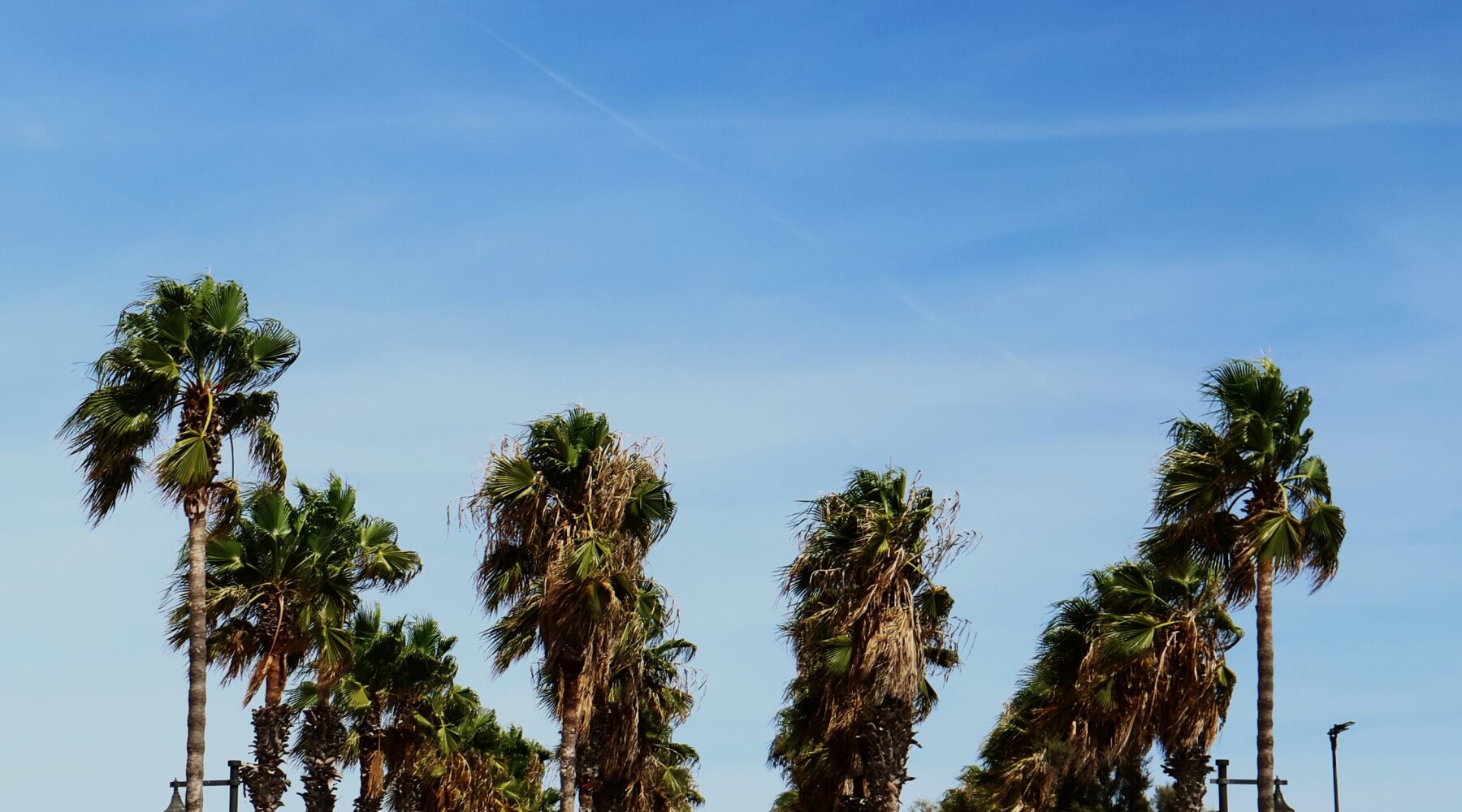
Ask a local where to swim and the answer depends entirely on which half of the coastline they mean, because the two halves have almost nothing in common. North of the port and right on the city edge you get classic urban beaches: a broad band of fine sand, a paved promenade behind it, palm trees, restaurants, showers, playgrounds, volleyball nets and sunbed hire. It is comfortable, it is a short ride from the centre, and in high summer it is busy.
South of the city the rules change. The apartment blocks stop, Albufera Natural Park begins, and the coast turns into something far wilder. The sand is coarser, the buildings behind the beach are replaced by dunes and umbrella pines, the services thin out to almost nothing, and there can be tens of metres of empty sand between one towel and the next. On some stretches the loudest thing you will hear all afternoon is the wind in the trees.
If you asked us to pick, we would take the southern strip, with one honest caveat: it needs a plan. You cannot walk there from your accommodation, there is no coffee on the next corner, and at midday the only shade is the one you brought with you or the edge of the pine wood. On the city beaches a towel and a bank card will do.
💡 Tip: The afternoon sea breeze in Valencia is a regular guest. It picks up almost every day around two or three o’clock and on the open southern beaches it can lift the sand with it. If you want flat water and calm air, go in the morning or wait until early evening.
Valencia beaches in the city: Malvarrosa, Cabanyal and Patacona
Three names come up again and again: Malvarrosa, Las Arenas with Cabanyal, and Patacona. In practice they form one continuous belt of sand that simply changes its name, and its mood, as you walk from south to north. The city’s official tourist board describes them as fine-sand beaches with a promenade, sports facilities and restaurants, a few minutes from the centre.
Malvarrosa: the best known beach in Valencia
Malvarrosa is the beach people picture when they think of Valencia and the sea. A wide band of sand, the Paseo Maritimo promenade with its palms behind it, a cycle lane, playgrounds, courts and a row of restaurants with terraces facing the water. It holds a lot of people, and in July and August you notice, especially on a weekend afternoon.
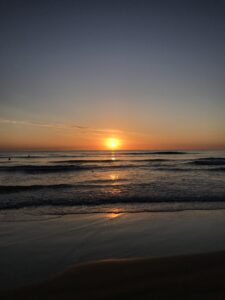
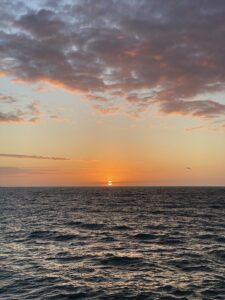
You can step onto Malvarrosa anywhere along the promenade, which is part of why it works so well. Early morning belongs to runners and dog walkers, by noon the sand fills up, and after dark the promenade turns into a strolling and drinking street. Our favourite hour is the one just before dusk, when the heat lets go, the water goes quiet and the lights of the ships come on out at sea.
Las Arenas and Cabanyal: same sand, different neighbourhood
South of Malvarrosa the same beach continues under the names Las Arenas and Cabanyal. Physically it is one stretch of sand; what differs is what stands behind it. Malvarrosa backs onto a promenade lined with businesses, while Cabanyal runs into the old fishermen’s quarter, a grid of low houses with tiled, brightly painted facades where rents are lower and the feel is more residential than resort.
One practical detail worth knowing: according to the city’s official website, Cabanyal is set up as an accessible beach, with reserved zones and step-free walkways out onto the sand. If you are travelling with someone who finds soft sand hard going, this is the stretch to aim for.
Patacona: the calmer option next door
Patacona starts north of Malvarrosa and technically belongs to the neighbouring municipality of Alboraya. It is the youngest of the city beaches and was built up later, so it has a wider promenade, newer buildings and fewer bars packed shoulder to shoulder. It is noticeably quieter than Malvarrosa, though in peak season nobody would call it empty.
Patacona has a reputation as the breakfast and late-afternoon beach. Mornings on this stretch are usually the calmest of the day and the sun comes up straight over the water, because the coast here faces east. If you want a break from the city without moving your base, you can simply walk up the promenade from Malvarrosa.
The best beaches near Valencia: the southern strip between the dunes
Drive south out of the city and the road bends towards the coast, with pine forest appearing on your right. This is where Albufera Natural Park begins, and with it the prettiest sand for miles in either direction. The official tourist board describes this coastline as surrounded by dunes and pine woods and calls it the most natural section of the whole shore. There is virtually no development, because the land is protected.
Pinedo: the first stop out of town
Pinedo is the nearest southern beach and the transition between city and nature. There are still facilities and places to eat, but the crowds drop off sharply. According to the city’s official website, Pinedo is one of the beaches set up as accessible, with assisted bathing during the summer season. If you do not want to travel far but Malvarrosa feels too loud, this is the sensible compromise.
El Saler beach: dunes, pines and quiet
El Saler beach is the classic answer to the question of where the good sand near Valencia is. Wide, open beach, tall grass-covered dunes behind it, and immediately beyond them the pine forest. People come here for the whole day, with their own water, food and parasol, because there is no shade to be found out on the sand.
💡 Careful with the name: search for “El Saler” on its own and the internet will mostly show you a large shopping centre on the edge of Valencia. Always search for El Saler beach, otherwise your navigation will send you to a retail car park instead of the dunes.
La Devesa and La Garrofera: the quietest beaches near Valencia
Further south again comes La Devesa, a long, wild strip caught between the sea and the lagoon. It is the best preserved part of the coast, with a dune system that has been under restoration for years and boardwalks that lead through the trees down to the water. La Garrofera is much the same, only smaller and less well known.
Budget some patience for it. The walk from the car back to the sand crosses the dunes, there is no kiosk anywhere, and a mobile signal is not a given. In exchange you get sea without rows of parasols and, in the evening, a forest that smells of resin. Outside weekends the sand here is usually shared by a handful of families and a few fishermen, and that is the whole crowd.
El Perellonet: a fishing village by the sea
El Perellonet is the southernmost of the spots people commonly visit, a small coastal settlement squeezed between the sea and the lagoon. There is a beach, a few restaurants serving rice dishes, and far more locals than visitors. It works best if you are already driving around Albufera and want to combine a swim with lunch without heading back into the city.
💡 Deliberately without numbers: we could not verify the lengths, widths or exact facilities of the individual beaches from official sources, so we would rather not print them. For the current state of services, the seasonal lifeguard cover and accessibility information, check the official Valencia tourist board website.
Albufera near Valencia: lagoon, rice fields and wooden boats
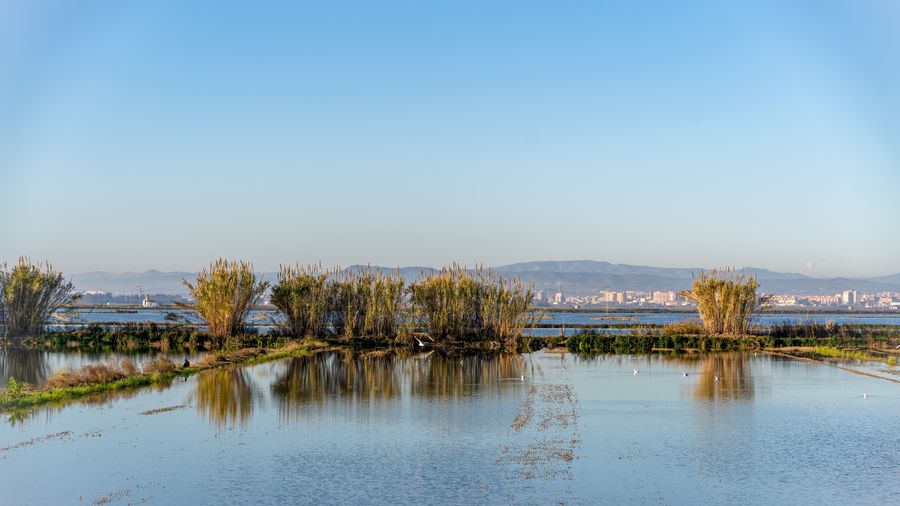
Behind the dunes of the southern beaches lies something that has nothing to do with the sea, yet is reason enough to come out here even without swimwear. Albufera Natural Park protects the largest freshwater lake in Spain, roughly ten kilometres from Valencia. The lagoon is shallow, separated from the sea by a narrow band of dunes, and rice paddies stretch away from it in every direction.
Those paddies are the point. According to the city’s official website the colour of the landscape shifts with the farming cycle, from gold to deep green, and rice has been grown around the lagoon since the eighteenth century. Arrive in spring and you see flooded chequerboards with the sky mirrored in them. In late summer the fields are green, and at harvest in autumn they turn gold.
Albufera is also one of the most important bird areas in the Mediterranean. It has been on the Ramsar list of wetlands since 1989 and protected as a special bird area since 1991. According to the official website, more than 300 bird species have been recorded here. The park covers 21,120 hectares.
💡 Do not let your map app confuse you: there is an Albufera nature reserve on Mallorca too. When you are looking for this one, always write Albufera Valencia or Albufera Natural Park, or you will end up on a different island.
Boat trips on Albufera and the sunset
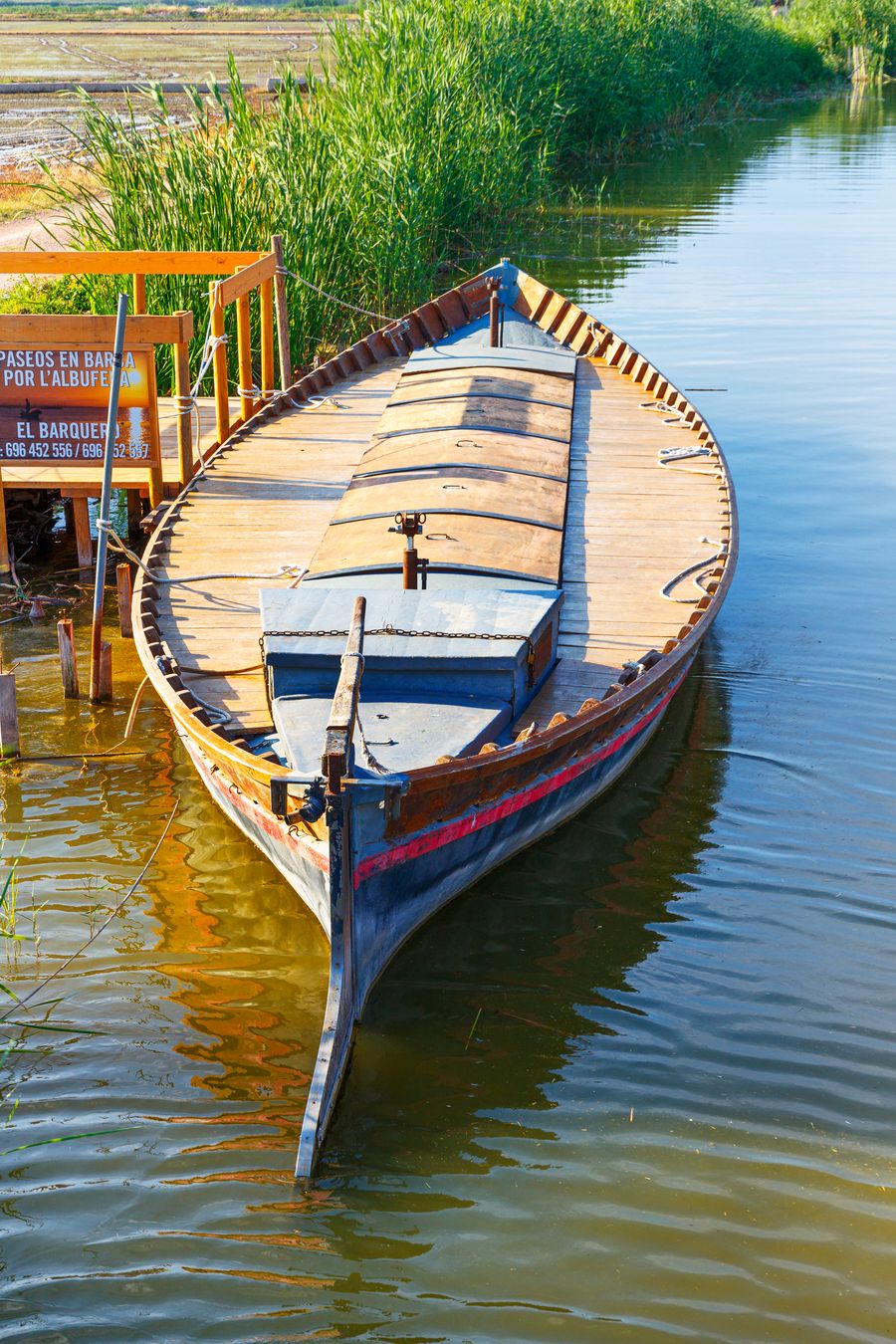
The most popular thing to do in the park is a ride on the traditional flat-bottomed boat known as an albuferenc. According to the city’s official website the trip takes around 40 minutes and boats leave from the Gola de Pujol jetty, among other places. Others set off from further landing stages around the lagoon.
Go at sunset. The water is calm in the evening, the lagoon turns red and gold and the birds come down to the surface. This is the scene people make the trip for, and the reason the photographs are all over the internet. Bear in mind that in high season, and above all at weekends, a lot of other people have had the same idea, so expect to queue at the jetty.
El Palmar and rice cooked in a pan
In the middle of the lagoon, on an islet linked by road, sits the village of El Palmar. It is the best known place in the area and people come for essentially one reason: to eat. According to the city’s official website you will find restaurants serving rice dishes and local specialities here, plus a fish market with the day’s catch straight out of Albufera.
And yes, we are talking about paella. The dish belongs to the Albufera area rather than to the city itself, and the rice from the surrounding fields is its foundation. If you want to eat paella where it was born, El Palmar is the logical address. In Spain paella is traditionally a midday meal rather than a dinner, and it is cooked to order, so leave time for lunch.
💡 Roll it into one day: El Saler beach or La Devesa in the morning, lunch in El Palmar, a boat onto the lagoon in the late afternoon and back into the city after dark. It is the best full-day combination this coast offers, and you need nothing for it but a bus ticket and swimwear.
Comparison: which Valencia beach to choose
| Beach | What it is like | Who it suits |
|---|---|---|
| Malvarrosa | Urban, promenade, restaurants, sports courts | Anyone who wants buzz, services and a short walk |
| Las Arenas and Cabanyal | Urban, backs onto the old fishing quarter, accessible zone | Fewer tourists and step-free access to the sand |
| Patacona | Urban, newer, wider promenade | Families and breakfast by the sea |
| Pinedo | Halfway between city and nature, assisted bathing in summer | Short trip out, but calmer sand |
| El Saler beach | Dunes, pine forest, almost no buildings | A full day out with everything you need in your bag |
| La Devesa and La Garrofera | The wildest section, protected dunes | Anyone after quiet and space |
| El Perellonet | Village between the sea and the lagoon, rice restaurants | Swimming combined with lunch |
How to get to the beach in Valencia
This is the question that decides whether you end up on a city beach or a natural one, and the difference shows immediately.
Getting to the city in the first place is straightforward: Valencia airport sits just west of the centre and is connected to it by the metro, so you can be dropped at your accommodation within roughly half an hour of landing. The city is served year-round from most large European hubs, with more choice added over the summer, but routes change from season to season, so check current flights before you book anything else. Public transport in the city itself is cheap, with a single ticket costing a couple of euros (roughly £2), though it is worth confirming current fares and any travel-card options with the operator.
To the city beaches
Malvarrosa, Cabanyal and Patacona are all reachable by public transport from the centre in a few tens of minutes. There is a tram line as well as several bus routes run by the city operator EMT, and the terminus stops sit right by the promenade. Individual route numbers change over time, so check the journey in the operator’s app or in your maps once you are there.
The second option, and the one we prefer, is a bike. Valencia is flat, cycle lanes run across the whole city, and the ride from the centre to the sea follows the long park laid out in the bed of the old river. Bike-share docks and conventional rental shops operate both near the beaches and in the centre.
To the southern beaches and Albufera
The southern coast and the lagoon are served by EMT city buses on routes 24 and 25. According to the city’s official website the ride from the centre takes less than an hour. The bus calls at Pinedo, then El Saler beach, then La Devesa, and carries on to El Palmar and El Perellonet, so a single route can cover an entire day by the sea.
Driving is quicker, of course, but parking at the natural beaches is limited and the car parks fill up by mid-morning on summer weekends. Do not drive onto the dunes or park outside the marked bays either. This is protected land and it is enforced.
💡 One practical thing: Malvarrosa and Patacona have showers, toilets and sunbed hire. On the southern beaches, assume none of that. Bring water for the whole day, something to eat and your own shade, because the dunes will not give you any.
Valencia beaches with kids
This coast is unusually kind to families, mostly because of the shape of the seabed. The bottom shelves gently, so even a good few metres out you are still standing waist deep. On the city beaches there are playgrounds right on the promenade, restaurants and toilets close by, and it is a short hop back to the flat for a nap.
With small children we would point you to Patacona. It is calmer, the promenade is wide and a pushchair rolls along it easily. Malvarrosa has more services, but in peak season it gets full, and a busy beach makes it harder to keep track of where everyone is.
The natural beaches to the south are lovely with children but harder work. The walk from the car park crosses soft sand, there is no shade at all, and when the afternoon breeze picks up it comes straight across the open strip. With younger kids, go in the morning and go prepared to carry everything.
💡 Watch the flags even in fine weather: beaches with lifeguard cover use the usual coloured flag system. If the red flag is up, nobody goes in, however calm the sea looks. On the unstaffed sections of the southern coast there is often no cover at all.
Swimming and sea temperature: when to go
The sea at Valencia warms up more slowly than people tend to expect of the Mediterranean. The water is at its warmest at the end of summer and the beginning of autumn, not in June. If you come in May, count on air that is already pleasant and water that is not yet summer. September, and often October too, is excellent for swimming, and the beaches are half empty while you do it.
We could not verify month-by-month sea temperatures from a source we trust, so check the forecast before you travel. The general rule holds regardless: September is the best compromise for swimming in Valencia between water temperature, weather and how many people are on the sand. If you are weighing up several destinations for a late-season trip, this is the point in the calendar where southern Spain still delivers and prices have already come down.
Summer here means heat and high humidity. The best hours by the water are the morning until about eleven and then from five in the afternoon onwards; in between, shade is the only sensible plan. In spring and autumn, by contrast, the beach is comfortable all day and you can walk the promenade end to end without suffering. If you only have a long weekend, it helps to know that Valencia works as a city break out of season as well, because the sea is far from the only reason to come.
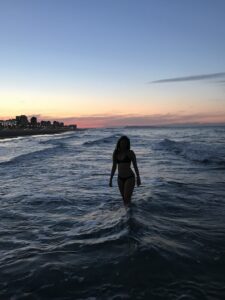
Where to stay near the beach in Valencia
Accommodation by the sea is a discipline of its own in Valencia, because most visitors book in the historic centre by default and then commute to the water. If the beach is your main reason for coming, it pays to flip that around.
- Malvarrosa and Paseo Maritimo are the most expensive and most convenient option. You walk out of the door and you are on the sand. High-season prices reflect that.
- Cabanyal is our pick for value against location. The old fishing quarter with its painted houses, two minutes from the water and closer to good food than the promenade is.
- Patacona is quieter, with newer flats, but it is already past the city boundary, so the trip into the centre takes a little longer.
- The southern coast is mostly campsites and apartments around El Perellonet. Without a car it is awkward; with one it is the quietest choice of the lot.
💡 Tip: Places to stay right by the sea sell out earlier in Valencia than those in the centre, above all for July and August. It is worth comparing offers across several booking sites. For current availability near the beaches, try the accommodation map around Malvarrosa →.
Our other Spanish guides pair well with a beach trip. We cover the city’s monuments and old town separately in Valencia landmarks, and if you are still choosing between destinations, compare the mainland coast with Mallorca or Ibiza.
Frequently asked questions
Does Valencia have nice beaches?
Yes, and unusually good ones for a city of its size. The city beaches are wide, sandy and backed by a proper promenade with restaurants, showers and sports facilities, and they are only a few minutes from the centre by tram or bus. South of the city the coast turns natural, with dunes and pine forest inside Albufera Natural Park. Between the two you can have a serviced beach day or an almost empty one without leaving the province.
Which are the best beaches near Valencia?
In the city, Malvarrosa is the best known, with its promenade, palms and full range of services; Las Arenas and Cabanyal continue south of it and Patacona lies to the north. Outside the city, the finest sand is on the natural beaches inside Albufera Natural Park, meaning El Saler beach, La Devesa and La Garrofera, all framed by dunes and pine woods. Go into the city for services, head south for quiet and space.
How do I get to the beach from Valencia city centre?
Malvarrosa, Cabanyal and Patacona are reachable by tram or by buses run by the city operator EMT, and the journey takes a few tens of minutes. Cycling works just as well, because Valencia is flat and a continuous bike path runs to the sea through the park in the bed of the old river. Check the exact route numbers in the operator’s app, as they change over time.
How do I get to Albufera from Valencia?
The simplest way is on EMT city buses 24 and 25, which run south from the centre along the coast. According to the city’s official tourist board the journey takes less than an hour. The same buses serve the southern beaches, so one route lets you combine a swim, lunch in El Palmar and an evening boat trip on the lagoon.
How long does the Albufera boat trip take?
According to the city’s official website, a trip on the traditional boat known as an albuferenc takes around 40 minutes. Boats leave from the Gola de Pujol jetty and from other landing stages around the lagoon. Sunset is the best time, when the water turns red and gold, though that is also when the queues at the jetty are longest.
Where do you eat paella near Valencia?
The classic address is the village of El Palmar in the middle of the Albufera lagoon, where the city’s official website points to restaurants serving rice dishes and a fish market with the catch straight from the lagoon. Paella belongs to the Albufera area rather than the city itself, and rice from the surrounding fields is its base. In Spain it is traditionally eaten at midday, not in the evening, and it is cooked to order.
Which beach in Valencia is best with children?
Patacona usually works best, because it is calmer than Malvarrosa, the promenade is wide and it is easy going with a pushchair. The seabed off Valencia shelves gently, so children are still only waist deep several metres out. The natural beaches to the south are beautiful but have no shade and involve a long walk across the dunes, so save those for the morning.
Is there an accessible beach in Valencia?
Yes. According to the city’s official tourist board, Cabanyal is set up as an accessible beach, with reserved zones and step-free walkways onto the sand. Pinedo, just south of the city, is also among the accessible spots and offers assisted bathing during the summer season. Check the current level of service on the official website, as it varies by season.
Where to go next
Potřebujete pomoct s cestováním?
-
Ubytování 🏨
Vyberte si to nejlepší ubytování, ať už jste kdekoliv, přes Booking.com. -
Půjčení auta 🚗
Auto si snadno najdete přes Booking.com, kde máte často slevu díky ubytování, nebo Rentalcars.com, kde porovnáte nabídky většiny půjčoven. -
Zážitky 🎟️
Přes GetYourGuide.com si vyberete z nejrůznějších výletů i zážitků po celém světě, navíc se zrušením zdarma do 24 h předem.